Monday, July 26, 2010

Peace


Those of you who know me best realize that there is perhaps only one thing I love more than a good vacation, and that is planning a good vacation. My personality is suited for creating travel itineraries, reserving accommodations, and designing plans that maximize exposure to the sights of the places I visit. I get a lot of pleasure out of planning trips and I consider my passion for all things organizational one of my stronger assets. But again, those of you who know me best realize this can be a detriment as well. Often times, I spend so much time preparing the vacation that I forget to relax and enjoy the peaceful rest that should accompany a holiday.

Over the past few months in Rwanda I have had the opportunity to travel to many parts of the country. These weekend road trips have allowed me to learn a great deal about the topography and culture here in East Africa. One of the lessons that my road trip experiences have taught me is that Murphy’s law has an especially strong presence here in Rwanda—anything that can go wrong absolutely will. Despite the challenges that accompany traveling here, I always enjoy myself. So this weekend as we set out for Kibuye I resolved to enjoy a peaceful road trip, no matter what occurred.

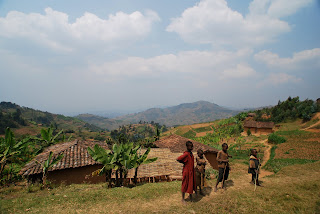
Early Saturday we set out to Kibuye, another lakeside town further south of Gisenyi that offers a very different view of the same methane-filled Lake Kivu from prior trips. Rwanda is known for its excellent infrastructure and is touted by some to have the best roads in East Africa. The road to Kibuye is quite the engineering feat due in part to its recent completion. Kibuye had traditionally been a town dominated by Tutsis. In the pre-1994 Hutu-dominated government, the resources required to build a reliable road to the lakeside town were not deemed to be a good use of money by the ethnically-biased powers. Now, however, the road offers stunning views into the hillside patchworked with crops before peaking onto breathtaking views of Lake Kivu.

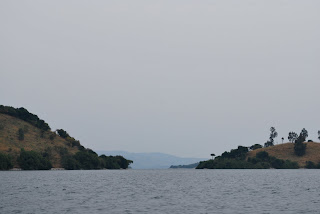
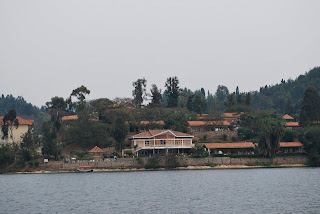
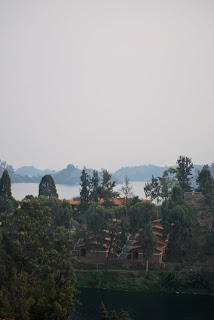
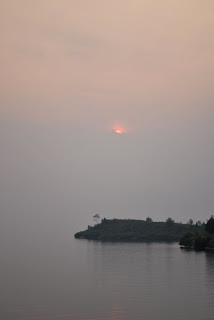
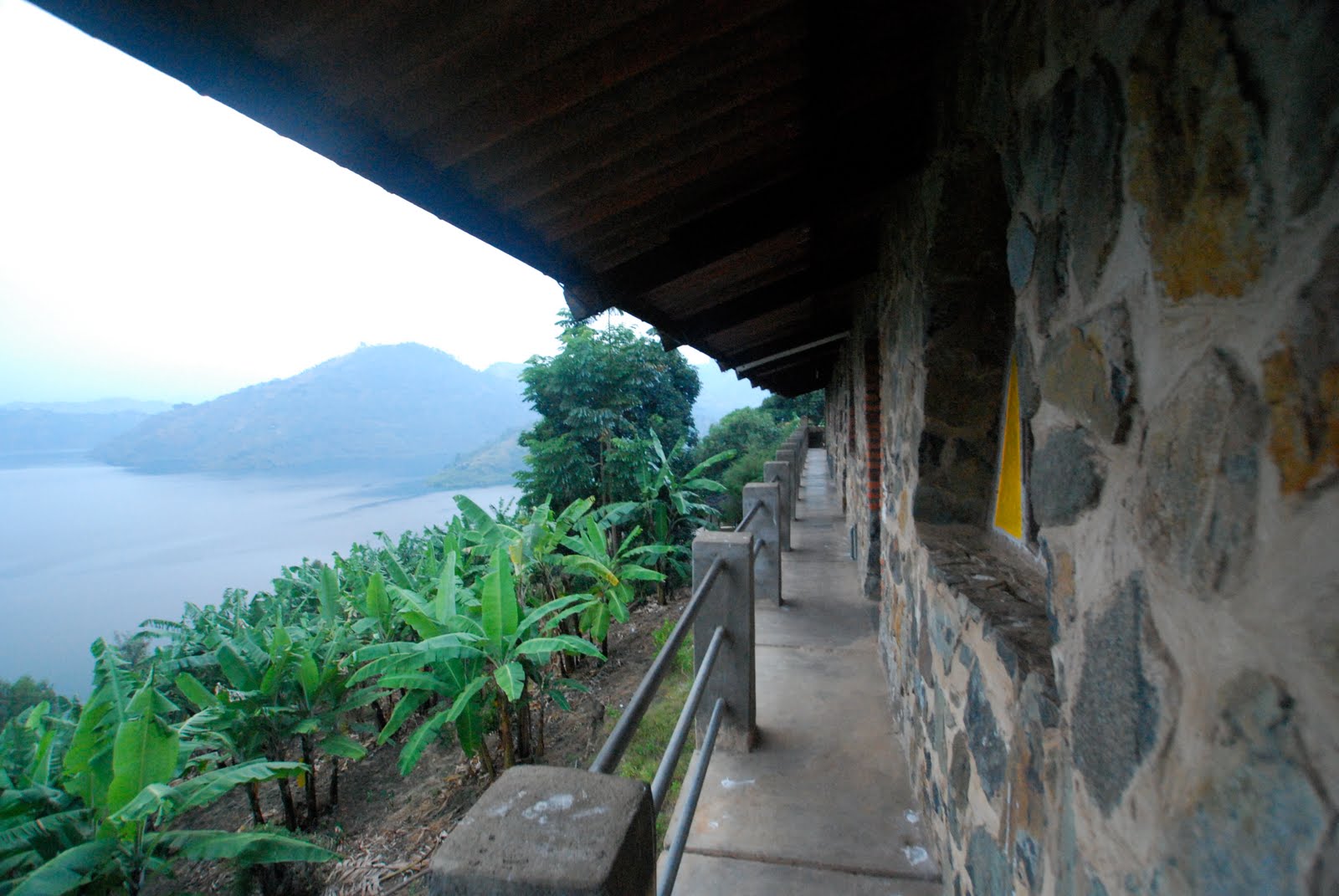
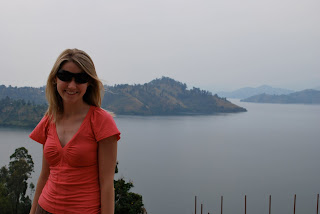
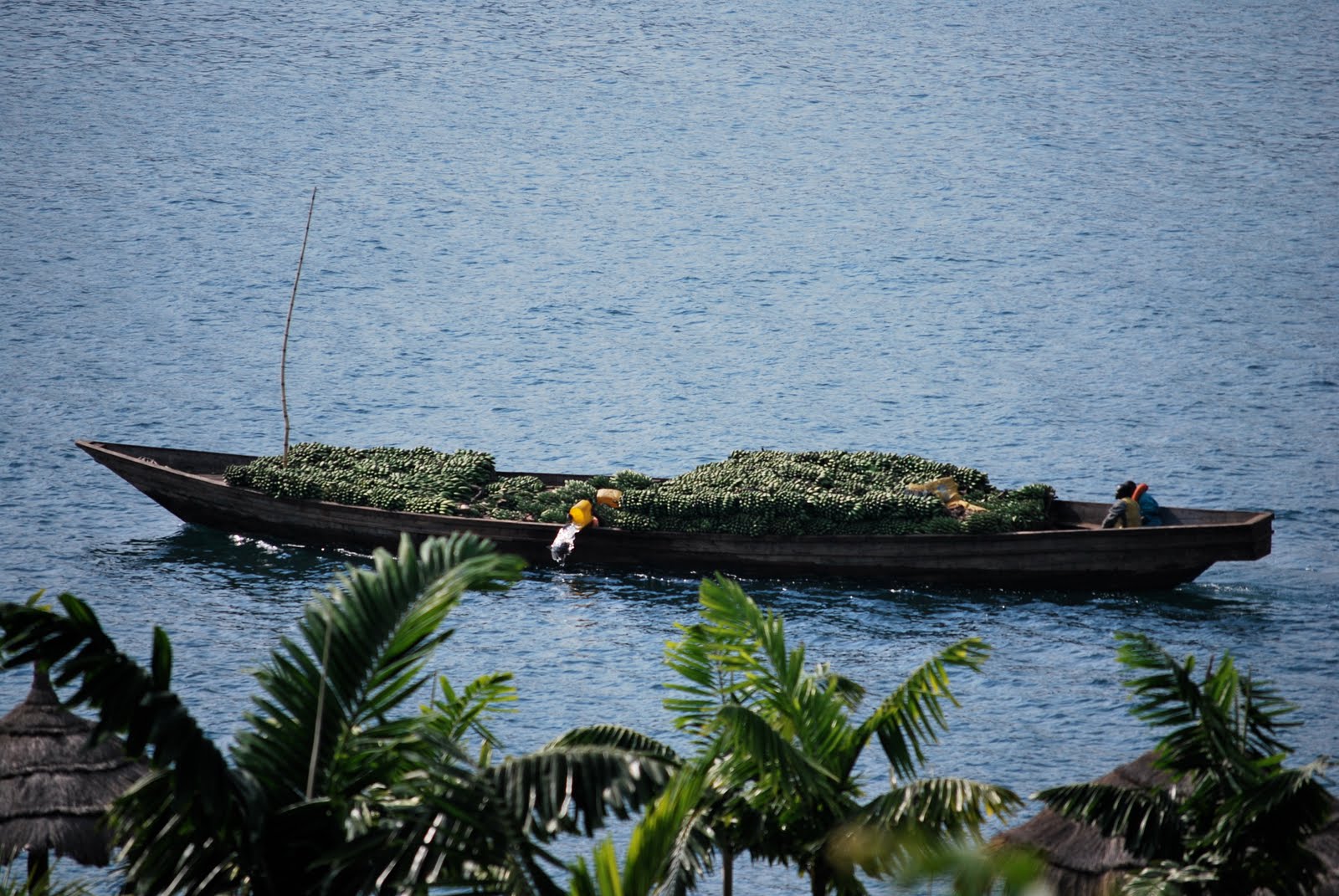
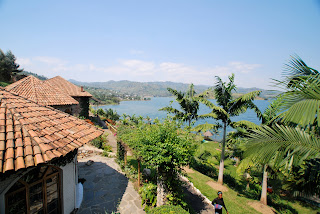
The interaction between the lake and the land is quite different than the beach-front town of Gisenyi. In Kibuye, the water intermingles with mountainous peninsulas of land and offers a different vantage point at every turn. Stopping for a traditional ex-pat lunch of brochettes and chips we found ourselves with a side of breathtaking views of our weekend destination. We quickly found accommodations at a local Presbyterian-run hotel and with that calming views of the lake and the impending sunset. An impromptu swim in the crystal-clear waters of the lake left us happy to settle in for cards and dinner—quite the peaceful start to our weekend away from the city.


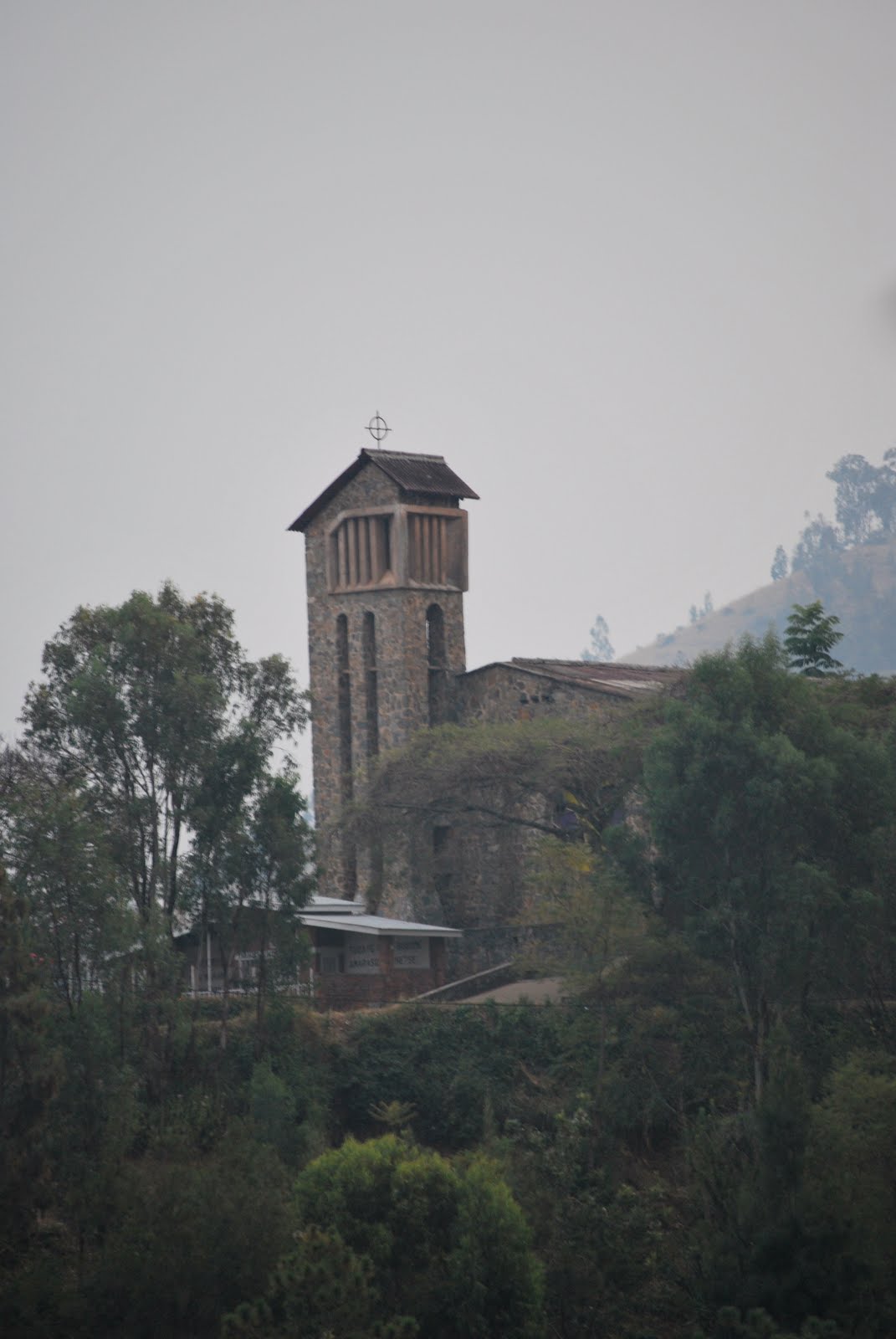
The next morning I awoke before sunrise and set out on the one-way loop with my new roommate and colleague Yvonne to attend the local sunrise mass. We realized that the service would be primarily in Kinyarwanda, but the local church in Kibuye was a massacre site to more than 11,000 Tutsis and Tutsi supporters during the genocide, and stands in stark contrast to many of the other genocide sites. As opposed to holding the remains of the victims, the survivors in Kibuye chose to refurbish the church, replace its stained glass, and make it a living memorial to those who lost their lives within the sanctuary’s walls. Though Yvonne and I were eager for the experience of the service, we weren’t terribly disappointed when we arrived at six in the morning to realize that the Sunday service began at eight. As opposed to fretting about our spoiled plans, we took this opportunity to explore the church in peace and even climbed the campanile to take in sunrise views of Lake Kivu.


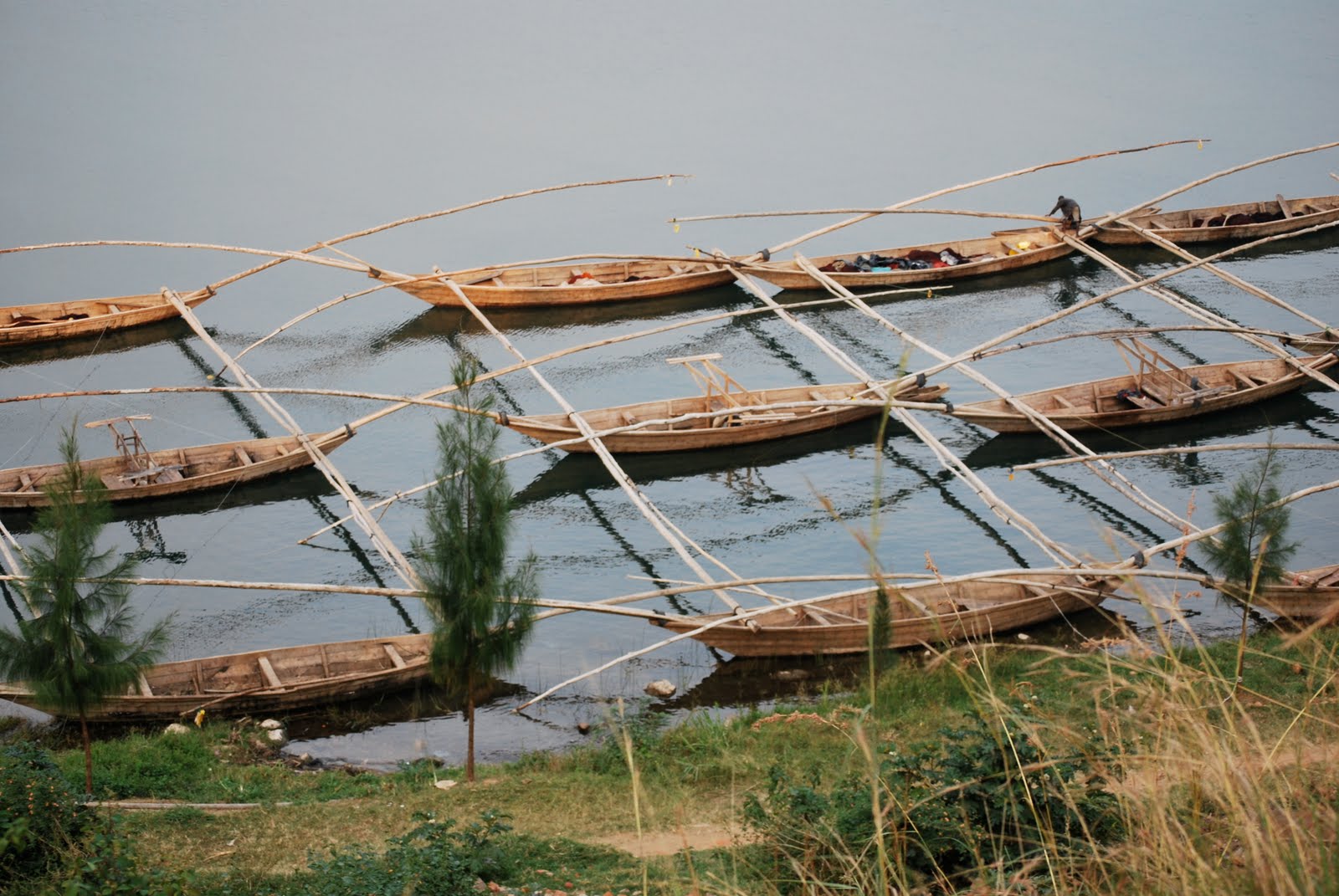
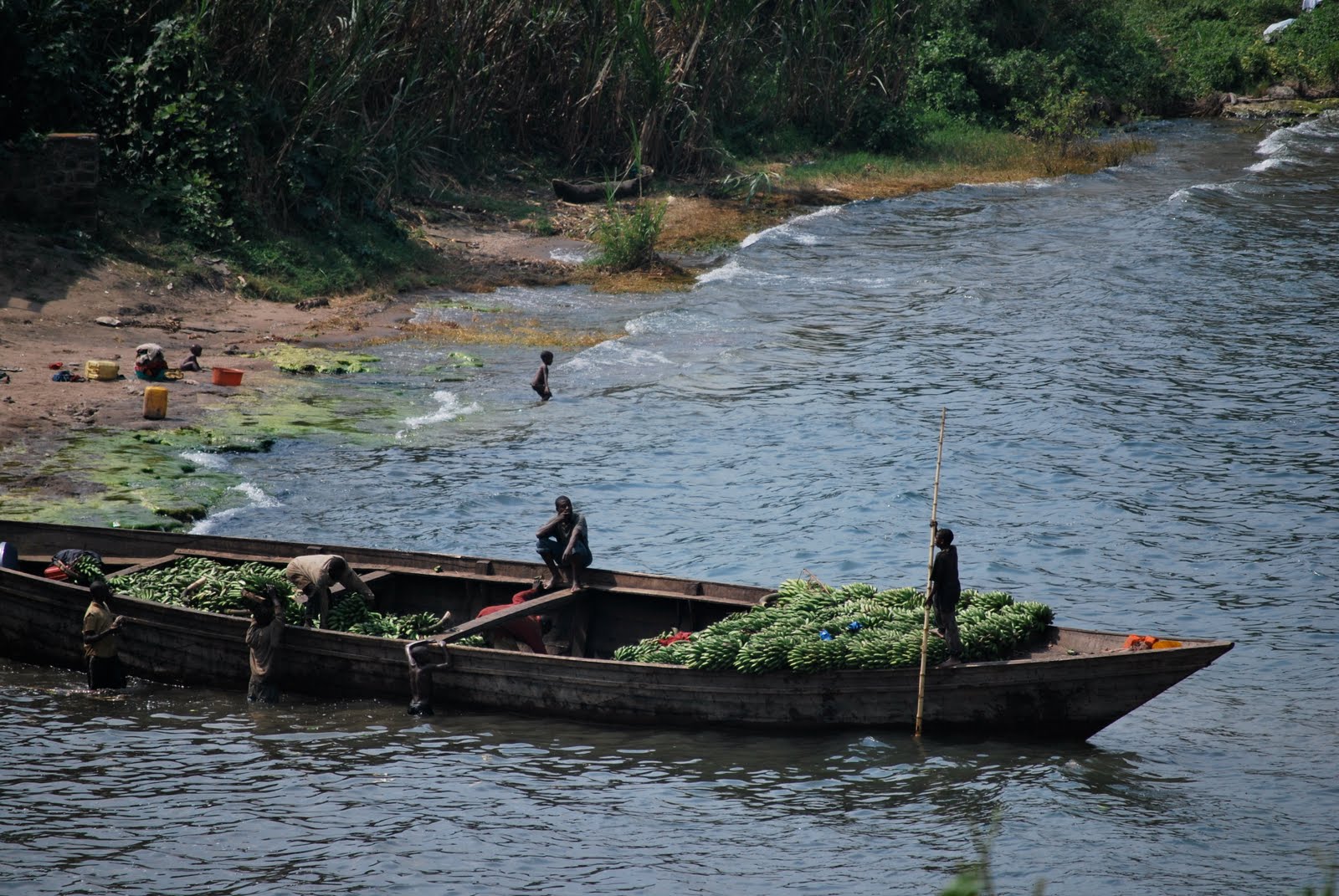
Deciding to take advantage of the early morning and the light, we began walking down the one-way loop road that winds throughout Kibuye to see the sights of the small but busy town. Chickens, goats, and a variety of birds greeted us along the way, but the highlight of our stroll was a chance to see the fishing boats come in from an evening of catching tilapia and sambasa on the lake.


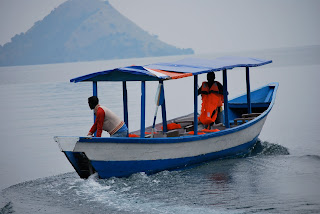
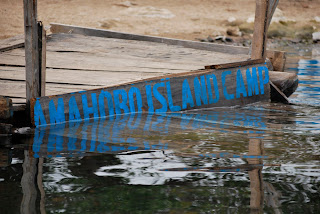
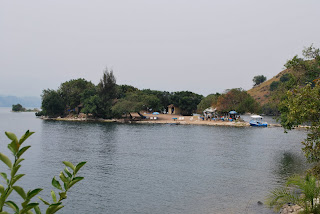
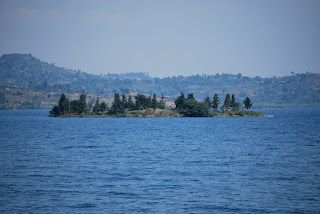
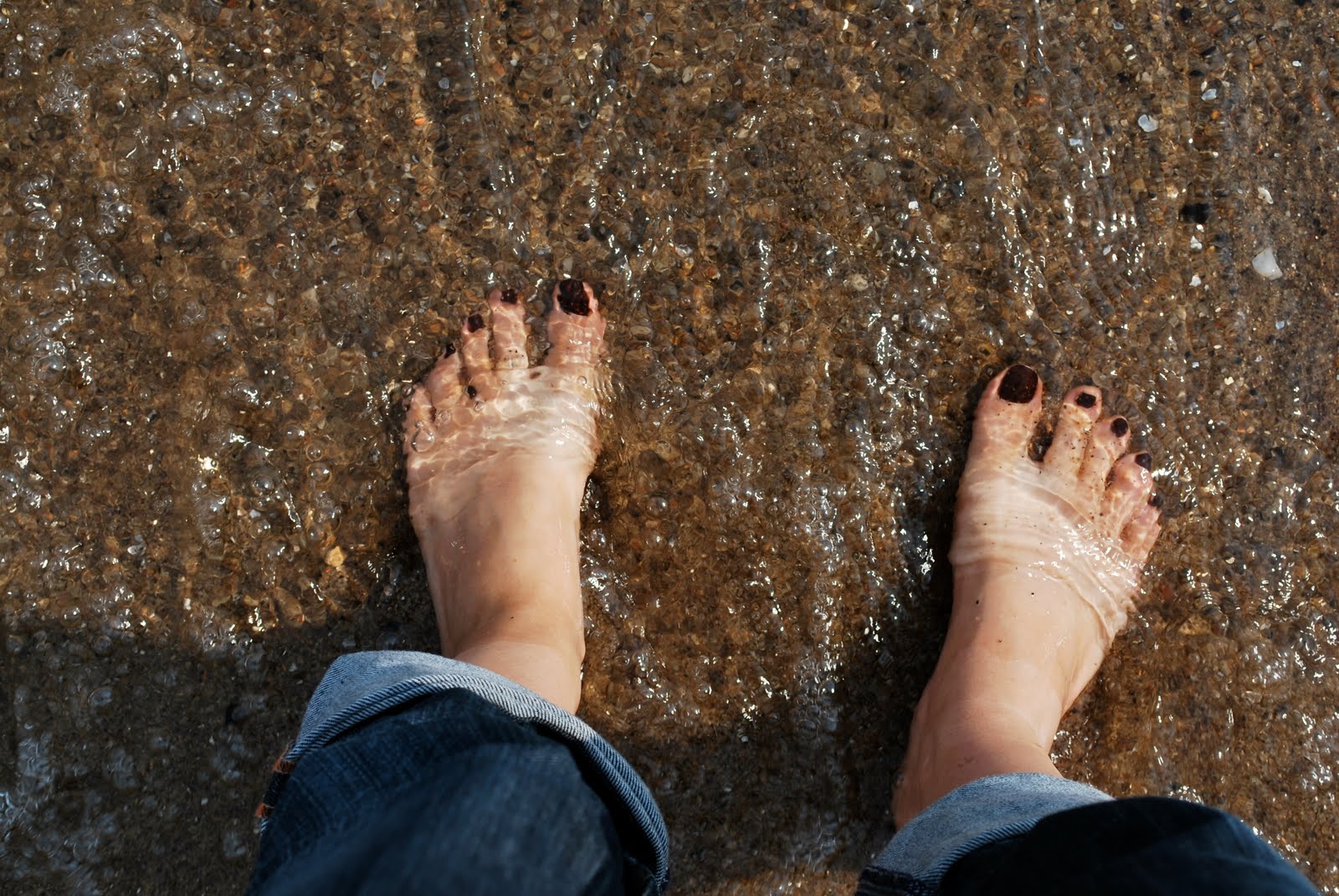
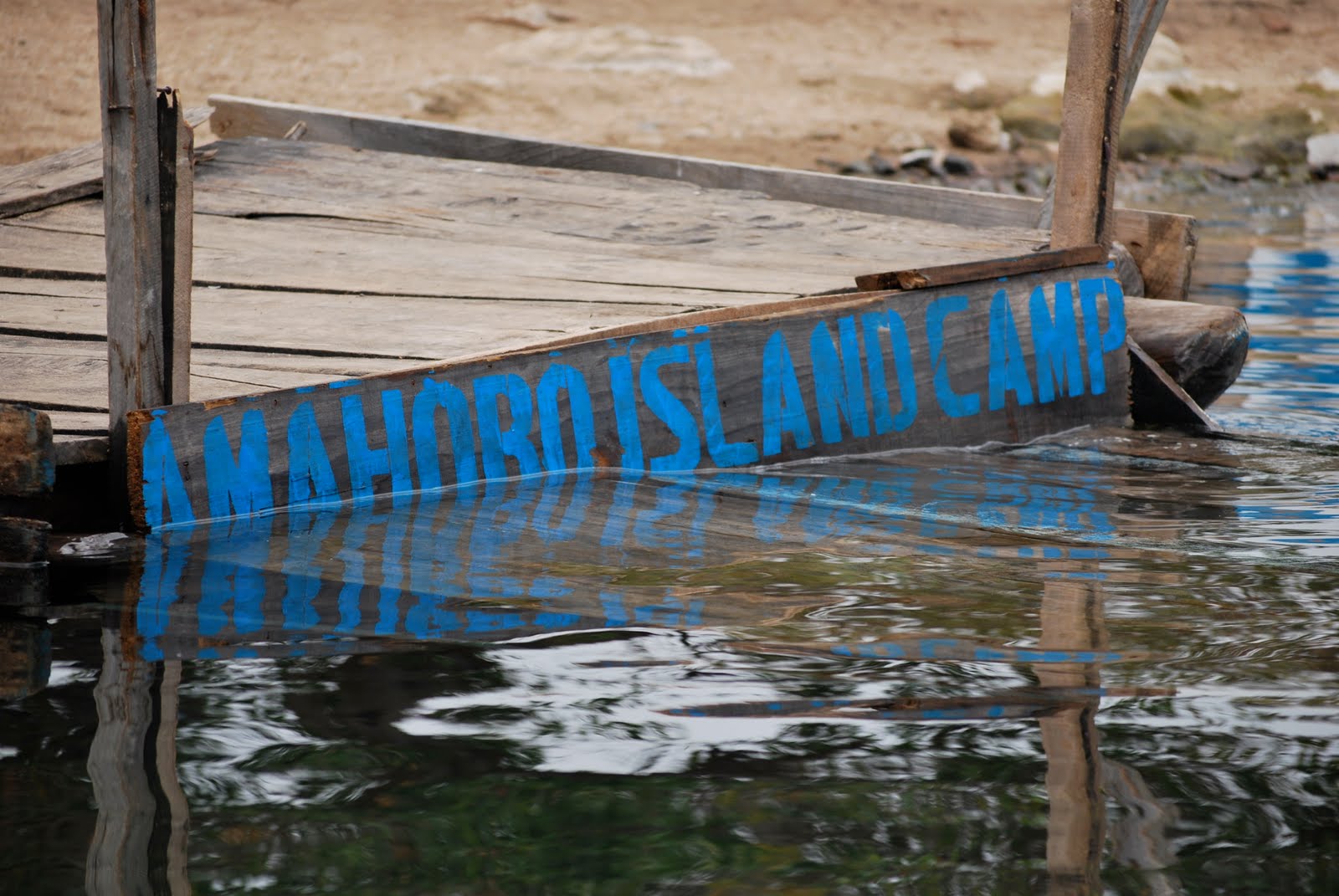
We returned just in time for breakfast and our own boat ride to Amahoro Island. Amahoro means peace in Kinyarwanda and this island is a relaxing thirty-minute boat ride away from the shore. Aside from the stunning lake views, the island offers its visitors food, volleyball, and the chance to swim freely in what is one of the largest lakes, by volume, in the world. Shortly after arriving on the island I couldn’t resist hopping into the lake and swimming around the perimeter of Amahoro’s peaceful shores. The hour-long swim offered another perspective and vantage point of the mountains of Rwanda and the bordering DRC that punctuate the lakeside skyline. After drying off we relaxed on the beach and walked around the island before taking the boat back to the mainland.

Though we were sad to leave our lakeside destination we felt rested after our day of peace on the island of the same name. Of course we encountered a few bumps along the way, but overall the road trip was characterized by a relaxed attitude that is often a challenge for me to adopt. Part of our relaxation was undoubtedly due to the beautiful vistas and calming sounds of the lake lapping against the volcanic shoreline. But a part of me couldn’t help but think that this sense of peace came from a realization of the conflict and turmoil that characterizes Kibuye’s past, and the stark contrast of the calm that characterizes the city present day. Though no one will ever forget what happened in Kibuye in 1994, the present-day calm that permeates this scenic lakeside retreat is only rivaled by the inner peace it brings its visitors. For in Kibuye, even the most tightly wound individuals (namely myself) can find tranquility within the moment along its peaceful shores. Amahoro.


Wednesday, July 14, 2010

Independence Day

As a child, there was one holiday I looked forward to more than all of the rest—the Fourth of July. I never exactly understood how parades with candy, funnel cakes, swimming pools, and fireworks related to our nation’s independence per se, but I knew that I loved it. So, this year, as the date of my favorite holiday approached, I could not help but feel a little homesick for our Independence Day and the friends, family, and festivities that accompany it.

In an effort to celebrate my favorite holiday and curb the inevitable longing for barbeque that I knew would accompany this day, I headed off for a weekend overnight in Gisenyi. Set on the banks of Lake Kivu 2 km from the border of the Democratic Republic of the Congo, Gisenyi is a relatively quiet town famous primarily for its proximity to the African Great Rift Valley Lake. While lakefront in the town of Gisenyi is studded with high dollar resorts, the neighboring Rubona is home many lesser-known accommodations that are perfect for backpackers on a budget.

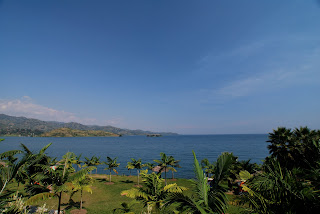
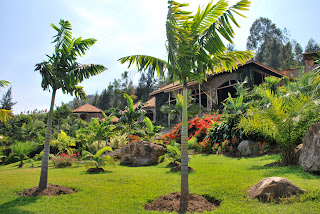
With a rented Rav-4 and five of us in tow we set off through the Volcanoes National Park towards the border of Rwanda and Lake Kivu. Upon arriving at our “budget” accommodations we were pleasantly surprised by the beautiful bungalows that overlooked the water and the palm trees that were blowing in the breeze. After a picturesque welcome we settled in to enjoy our day and night on the waterfront.


Lake Kivu is unique compared to other African bodies of water. Unlike most of the great lakes, Kivu actually offers a parasite-free swim for its visitors. Unfortunately, the protection from bilharzia and schistosomiasis comes at a cost. The lake sits atop a giant pocket of magma that releases volatile methane gas and unpredictable intervals. Though it sounds like a “green mine” for those interested in alternative fuel sources, the reality is these massive methane bubbles have the potential to suffocate people living in lakeside villages should one find its way to the surface without dispersing first.


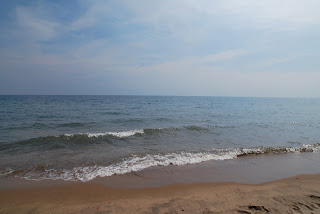
Regardless of the unpredictability of the surrounding geology of Lake Kivu, it draws many visitors annually because it is the closest thing to the beach you can get in land-locked Rwanda. And admittedly, the expansive view onto the horizon mixed with the rustling of wind-blown palms gives you a sense of being on the shore despite your better judgment. So in appropriate beach-front fashion we settled in for a Saturday of relaxation and ate fresh fish as we watched the sunset over the lake and the bordering DRC. The evening was filled with the work songs of the local fishermen who in their linked dugout canoes head into the lake overnight to catch sambasa—the tiny fish who are one of the only inhabitants of the gaseous lake. Sitting fireside and watching the lanterns of the fishermen bob in the dark of night against the background of the DRC’s active volcano felt fitting for the eve of the Independence Days I know and love from home.


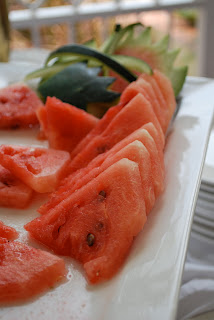
With one of the first pangs of homesickness I had felt in a long time on my mind, I headed off to bed in my beachside bungalow. Though I missed spending time with friends and family on this special holiday, the next morning I awoke to coffee, fresh fruit salad, and an veggie omelet that started to ease the pain. When eaten with the beautiful view from the terrace that accompanied my breakfast in bungalow I was resolved to have a wonderful day. Shortly after our breakfast we set off exploring in search of hot springs and festivities. After a short visit to the hot springs, we settled in with other muzungus at the Hotel Serena. The Serena is the high end hotel chain spotted throughout Africa and is usually high above my student budget. But in honor of the holiday, we splurged for their lunch buffet for a taste of home. Granted there was no barbeque but there were fish brouchettes, fresh salads, and a fourth of July favorite—watermelon. A tear came to my eye as I added salt to my watermelon despite the odd stares from my friends. I relished the flavor as I contemplated how in the world they got this fruit to the middle of Rwanda.

On the car ride home I couldn’t help but think the watermelon was a serendipitous surprise meant just for me to ease my homesickness and remind me of what it really means to be home for the holidays. Though I am half a world away from family and friends I still enjoyed the holiday because of all of the memories it holds. And as I talked about our trip and thought about the true meaning of Independence, I was reminded by our guard that this day was special for many people in Rwanda.

Interestingly, Rwandans also celebrate their Independence Day on the fourth of July. This day marks the date that President Kagame and the RPF took back Kigali from the Hutu militia effectively ending the genocide that resulted in the slaughter of hundreds of thousands of Tutsis. It is amazing that I could spend such a restful weekend in the apparent paradise of Gisenyi—the border city that was the start of the mass murders in 1994. Though I could not help feel a little selfish for feeling homesick and yearning for funnel cake and family on this fourth of July in the presence of those who have endured so much, I guess in a frivolous way that is what independence is truly about. It’s about the opportunity to be with your friends and family, to spend that time the way you see fit, and to have the freedom to do something new. Perhaps there were no fireworks this year, but watermelon in Rwanda—now that’s an Independence Day miracle.

Thursday, June 24, 2010

What Came First...

We are all familiar with the philosophical question about the chicken and the egg whatever our views on the answer might be. Well, here in Kigali my answer is the egg came first, at least in theory. About a month ago shortly after my arrival in Kigali my roommates and I were chatting and thinking how nice it would be to grow something in our beautiful yard. Though many different bits of produce came to mind, we were convinced that we were geniuses when we decided we would produce eggs. Obviously we wouldn’t be doing the production, but we could get chickens to take care of and reap the dual benefits of their eggs and their affection during our time in Rwanda.

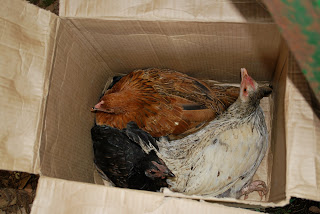
Convinced of our genius we left for the market on a Sunday morning to purchase three proper egg-laying chickens. With the help of a Rwandan man we quickly found our way to the poultry aisle and they pulled three beautiful chickens out of the box. Some frantic French and a few odd looks later, we were able to explain that we did not want the man to kill the chickens—we wanted to take them home alive. And there we were, three apparently “crazy muzungus” with three living chickens.

We got them home and introduced them to their free range environment knowing that there were plenty of trees in which they could roost and that the walls to keep predators out of our house would be perfect to keep the chickens inside their new home. However, later that evening we were informed by our guard that they needed a home to protect them from cats. His statement was met with a bit of skepticism since he also said we should bring them in to keep them from getting cold. With the threat of three frozen and cat-tormented chickens on our collective conscience, we began conceiving of a way to keep our new pets and egg-layers safe.

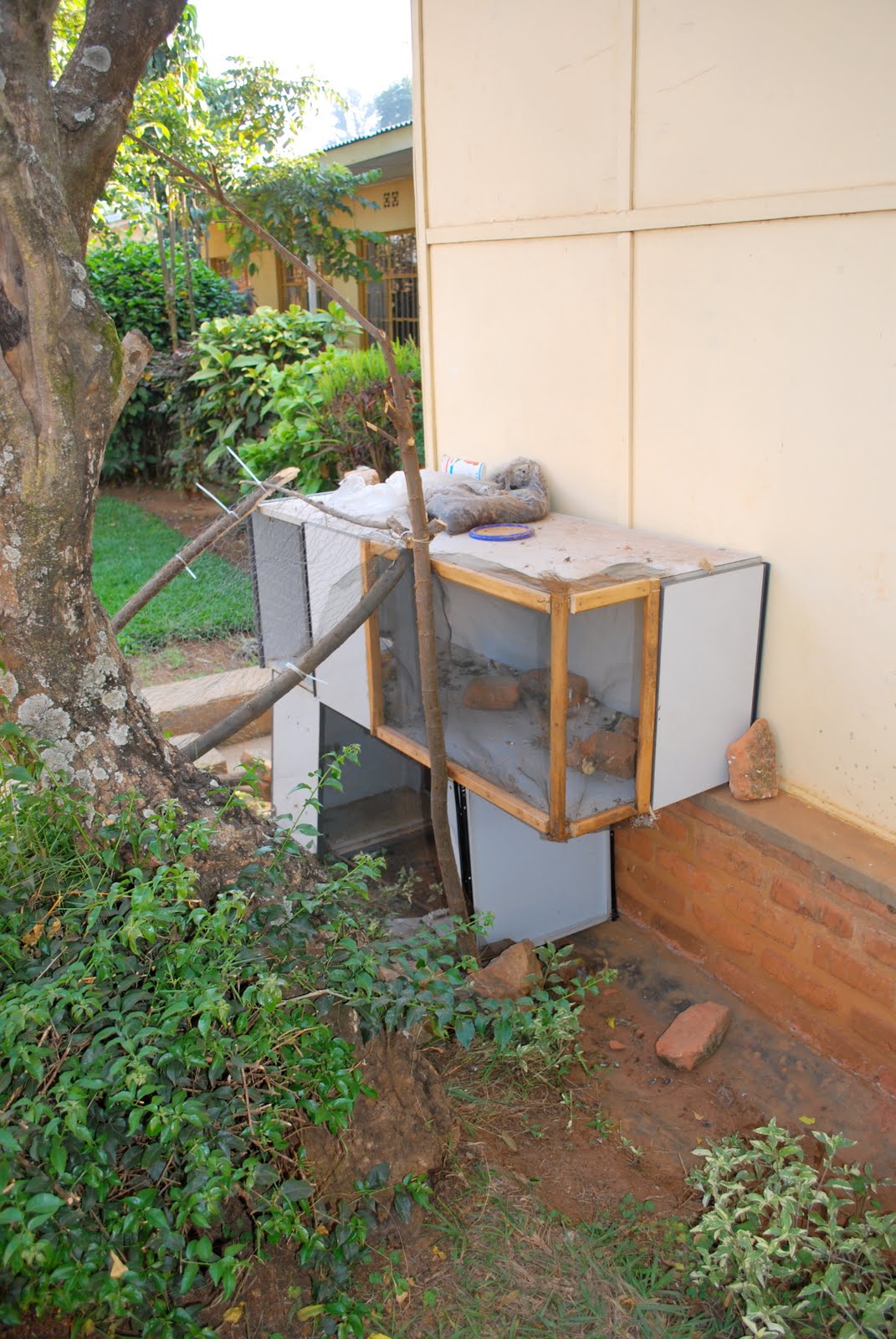
It is within this history that the “resource-limited setting chicken coop” was born. The wonderful thing about being in a country like Rwanda is that very little is wasted. So, when rummaging through old furniture at work our administrative staff was very happy to allow us to take the broken filing cabinet behind the project off their hands. A quick stop at the hardware shop gave us the remainder of the supplies we were lacking—chicken wire, nails, hinges, and screws. With hammer and Swiss Army knife in hand, Sally, Sam and I worked to convert the old filing cabinet into a chicken coop complete with fold out doors and run. Extra supplies came in the form of a hair rubber-band, some zip ties, and duct tape. Though these were things that were undoubtedly packed without a clear purpose in mind, I can guarantee that I did not anticipate a chicken coop being a potential use for my roll of duct tape. After toiling away for a couple of hours our masterpiece was complete and our chickens had a new home in which to lay their eggs.

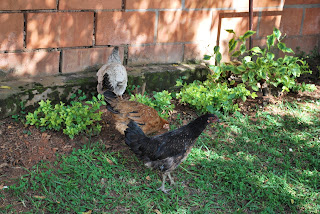
We fell in love with our chickens, despite their apparent lack of chicken sense at times. To express our love, we gave them each a name fitting of their personalities. The white chicken who is the biggest and the bossiest was named Fossey, after legendary primatologist Dian Fossey who pioneered her work with the gorillas while making the locals mad here in Rwanda. The brown chicken was given the name Darwin due to her evolutionary prowess. She was invariably the first to find the water, the food, and the first to put herself to bed. Finally, we have Indiana, the black chicken who is always first to explore territories unknown. His penchant to escape from the gate and venture down the dirt road on which we live earned him the name after the fictional explorer and archaeologist of George Lucas fame. Despite giving them a safe and innovative architectural masterpiece in which to live, and a supply of wheat and corn that rivaled the meals they undoubtedly received before their pardon at the market that day, we were given no eggs.

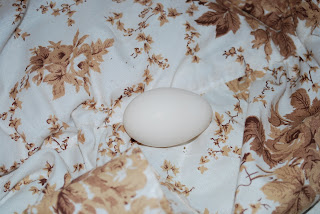
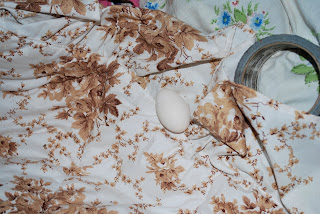
All of the guards and general workers on the block were abuzz about the three crazy muzungus and their three eggless chickens. Four weeks into the process we had invested time, money, and energy into Darwin, Fossey, and Indiana with no edible return on our investment. Last week, however, our luck changed in a rather unfortunate way. While home eating lunch one day two of our three pets ventured into the house without our knowledge. As we dutifully locked the door and returned to work, we unknowingly locked the chickens in the house. Returning home in the afternoon gave us a surprise of feathers and chicken products all over our house. They had ransacked the kitchen shelves, broken dishes that were sitting out, and left little reminders of their presence all over our floor. Our frustration turned to laughter as we proceeded to clean up the mess and discuss the fate of our poor chickens, when all of the sudden we found it. During their lock in, one of the chickens laid an egg in the middle of Sally and Sam’s bed. The precious offering was, rather ironically, next to a roll of duct tape as if to say thank you for investing all of this time and energy into us.


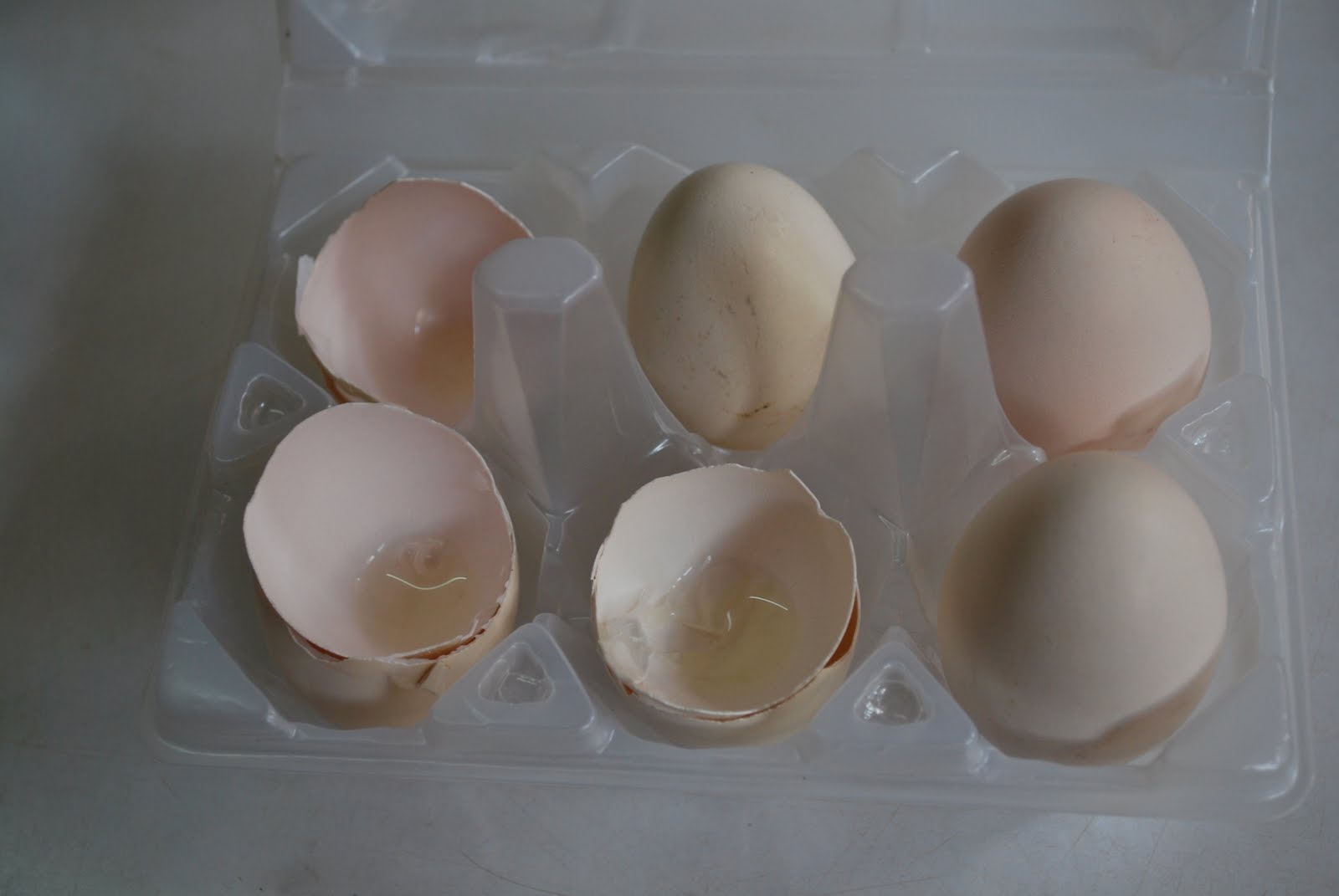
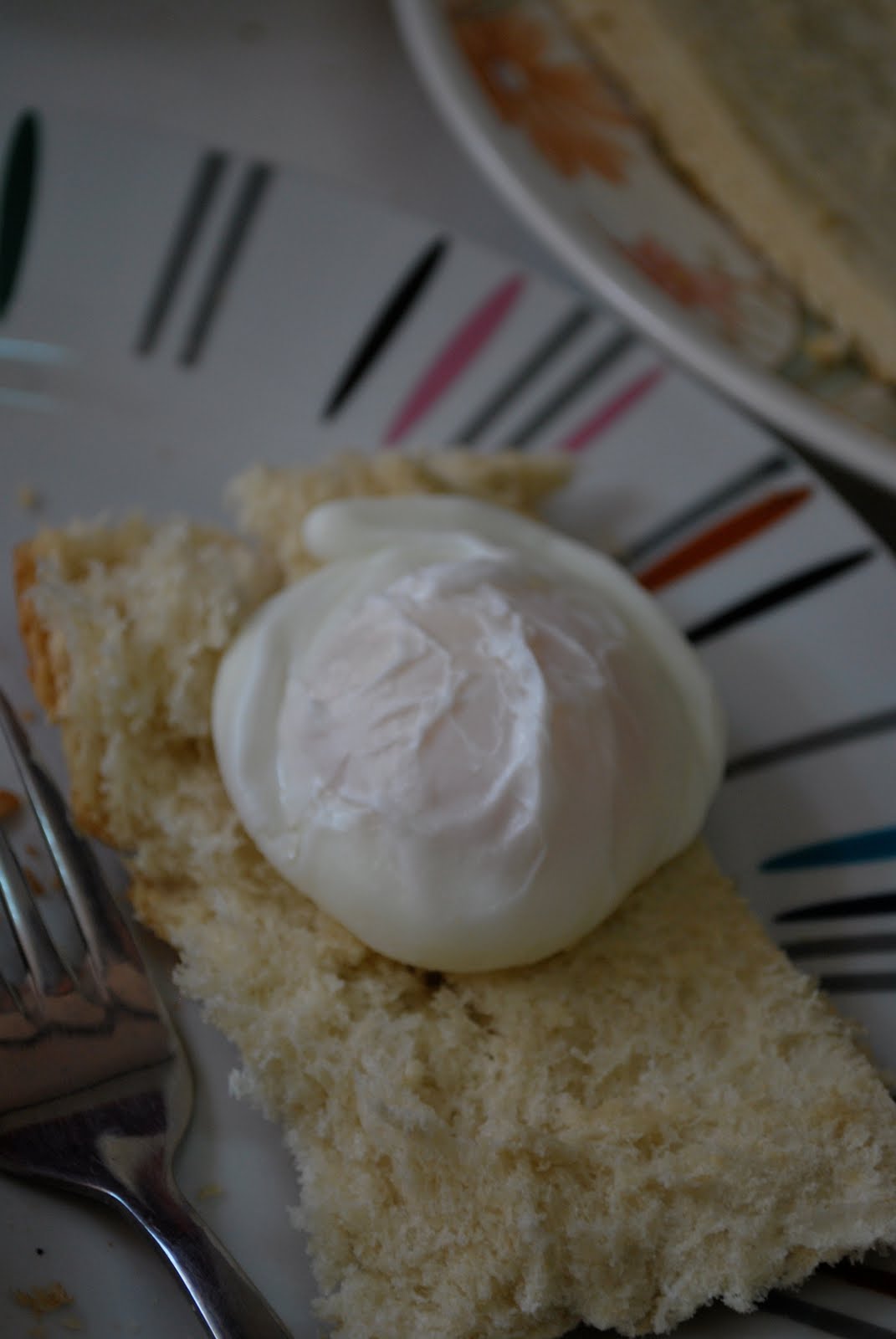
Since that exciting day the house has been filled every other day with the noises of two proper egg-laying chickens courtesy of Darwin and Indiana. We wait in anticipation for an egg from Fossey, but to be completely honest we aren't entirely optimistic. The grand total is up to fourteen eggs—most of which we will share with the guards for all of their assistance wrangling the chickens when they escape. Though we were anticipating a wealth of eggs from our chickens, they have in some odd way given us much more. Sam was thrilled with the opportunity to use his Swiss Army knife for a practical application. Sally gets a great deal of pleasure watching them peck around the garden all day. And I will never forget the pride that accompanied seeing that first egg in the middle of Sam and Sally’s duvet. In our case the chickens, and their mess, clearly came first. However, without the wait, the egg that was subsequently poached to perfection would not have been nearly as delicious.


Tuesday, June 8, 2010

Projects

We are a culture obsessed with projects. Americans (more so than others I have begun to realize) love to have something to do, something to work on, or a task to complete. That is one of the biggest lessons I have learned in my four weeks here at Project San Francisco. Project San Francisco (PSF) is the name encompassing the clinic, lab, training center, and research facility that I am working at here in Kigali. It is based in the center of town and has provided care for men and women infected with or affected by HIV/AIDS since its founding in 1986 by Dr. Susan Allen—the Emory physician who is my boss for the next five months.
Originally a grassroots organization, its presence has grown both here in Rwanda and in the international HIV community. The project is funded by grants from the Centers for Disease Control (CDC), the International AIDS Vaccine Initiative (IAVI) and the President’s Emergency Plan for AIDS Relief (PEPFAR) and has become quite the juggernaut of a research group. PSF promotes couples voluntary counseling and testing (CVCT) for HIV and encourages couples to get tested for and counseled about the virus together with the realization that most African couples infected with HIV are co-habiting men and women. If couples are discordant, meaning one partner is positive and the other is negative, PSF follows these individuals for monitoring of their health, retesting of the negative partner, and reaffirming messages of condom usage in efforts of prevention. And, in the unfortunate incidence of a seroconversion (the HIV negative partner becomes positive), PSF performs complex laboratory tests to monitor the genetic linkage of viral strains and the immunogenic factors involved in transmission. Some of these clients of PSF have been living healthily with HIV for in excess of 25 years and have their blood filtered and studied for the presence of neutralizing antibodies to be used in vaccine development. Its role in vaccine trials and its growing role in family planning are among some of the other tasks that we manage here at the project.
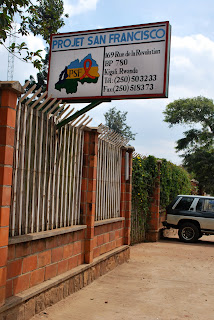
Most remarkably, however, are the training and education efforts we have going on here at PSF. Dr. Allen has secured a significant five-year grant to train every government-run health center in Rwanda how to counsel and test couples for HIV over the next five years. Each week nurses come from their centre de santé (health center) in various regions of Rwanda to PSF here in Kigali for a week of didactic and practical training for CVCT. These objectives, of education and health preservation is at the center of PSF mission.
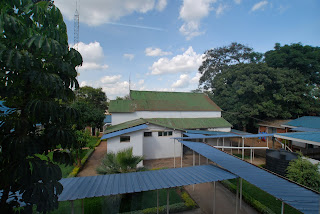


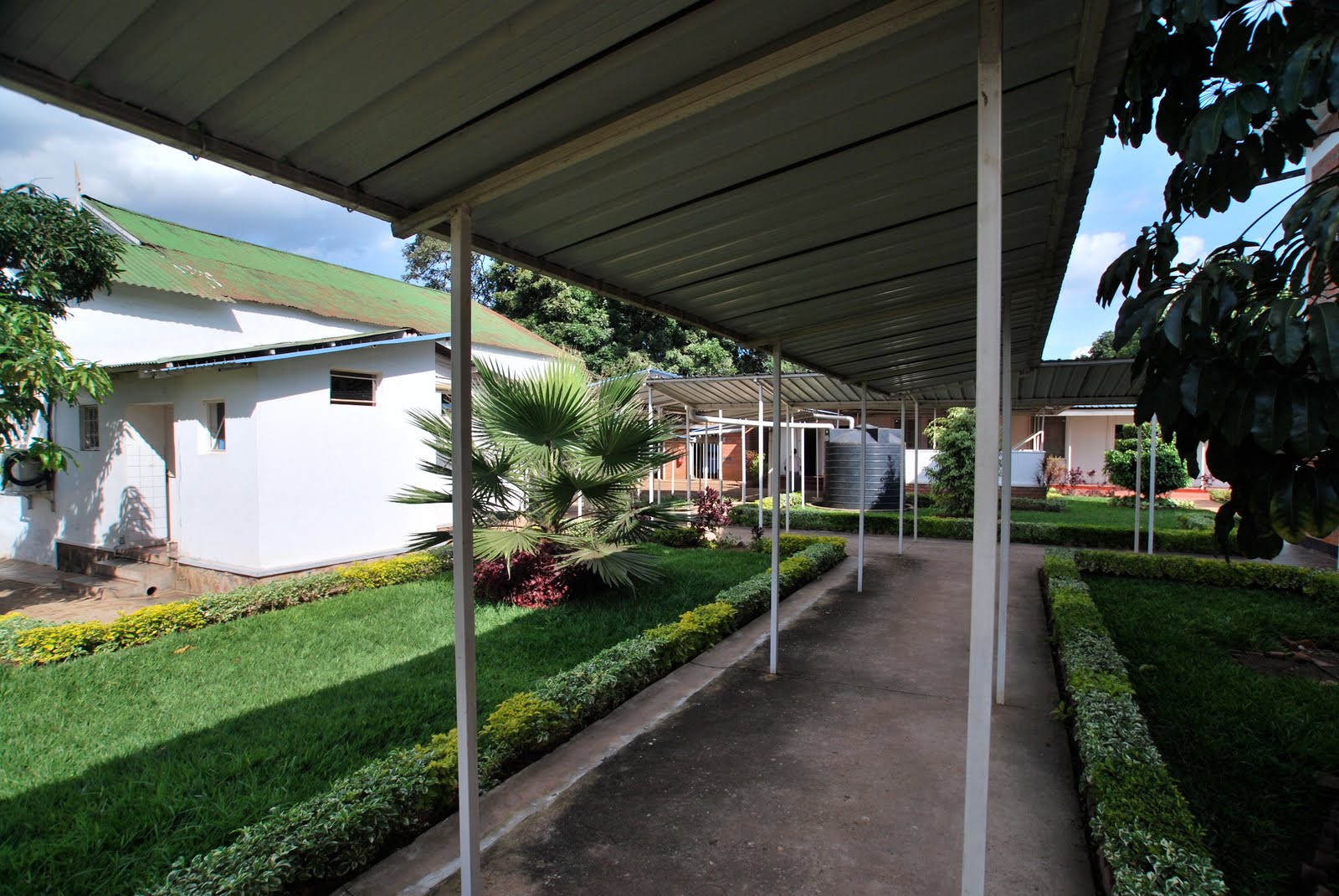
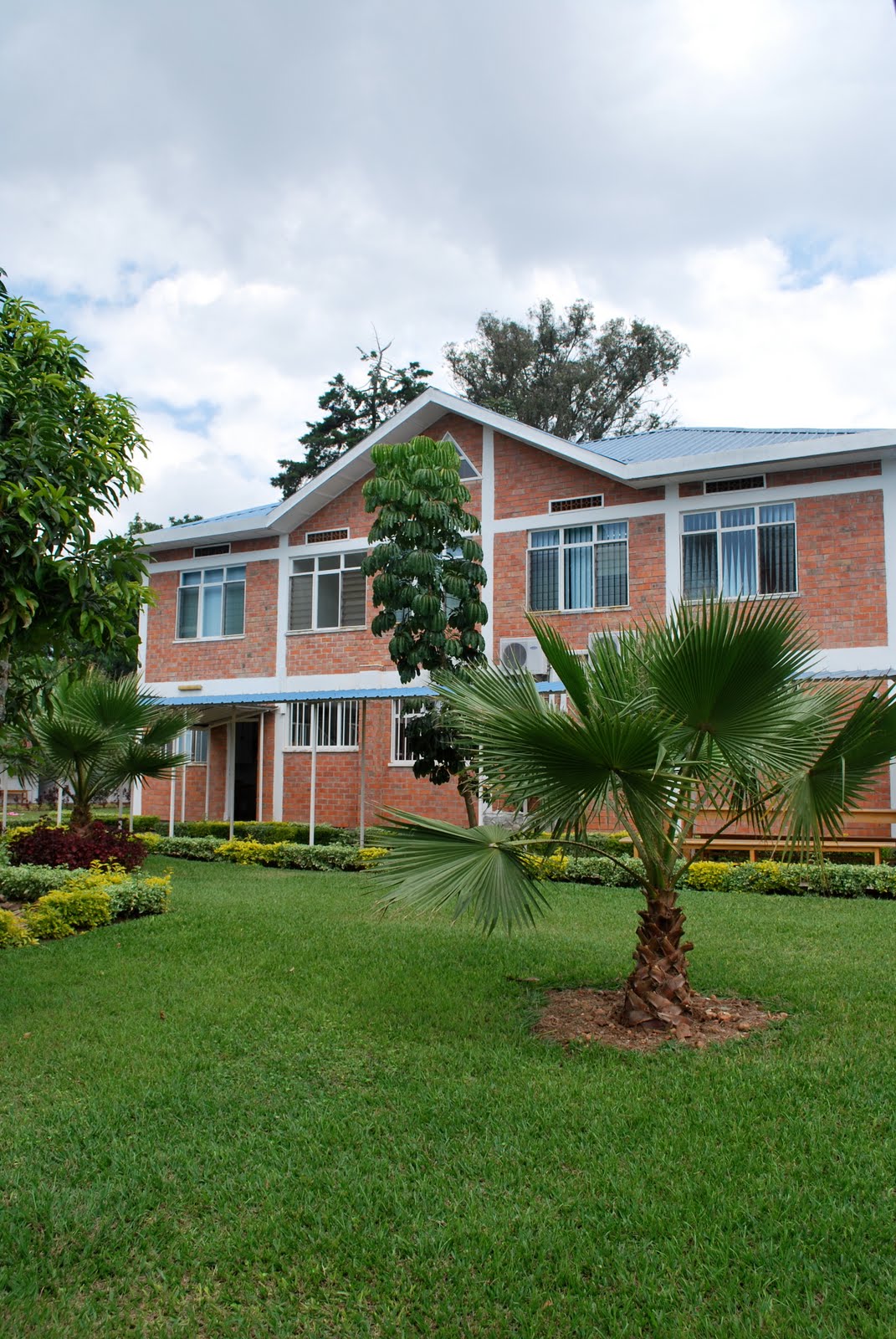
Above is the view overlooking PSF from the building where my office is located. The building straight ahead holds the only Accredited Laboratory in East Africa outside of Nairobi. The building to the right is the clinic building where the clients of PSF are seen 7 days a week by our nurses and counselors. The second picture above shows the walkway from my office to the clinic building. Below is the office that holds the physician and counselors' offices (including mine) that double as clinic rooms when necessary.

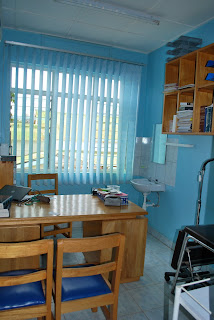
For the past twenty-four years, PSF has been a driving force in HIV research and a life force for many of the people of Rwanda. During Dr. Allen’s visit a few weeks ago I realized just how deeply connected the clinic is to the welfare of the people of Rwanda as she shared her account of the events of the 1994 genocide.

There is universal awareness of the horrific events of 1994 in which hundreds of thousands of Rwandans were killed in tribal civil war. I was keenly aware of this incident when I began researching Rwanda as the setting of my summer project. I continue to think about it daily when I interact with patients and try not to wonder who’s Tutsi, who’s Hutu, and who would wield a machete against his or her neighbor if given the opportunity again. Rwanda is a model of post-war reconstruction driven in part by a highly regimented and intolerant government. The official message of the country is that there are no tribes and that there are only Rwandans, but the grenade attacks in the capital and the genocide prisoners in their distinct pink jumpsuits are a reminder that this government-promoted message is only a thin veneer.

Dr. Allen’s story of being trapped in Zambia during the genocide and trying to reunite with her husband and her 3-year-old son who were in Kigali at the time of the incident was harrowing to say the least. The last sentence she heard on the phone from her husband before seeing him in Kenya two weeks later was “we’re never gonna get out of here alive”. Working with the stoic Rwandan physician who is our project director who suffered unimaginable losses to his family in the genocide is a daily reminder of that same horror. And despite the sadness that colors the history of this country and the culture of veiled mistrust that characterizes its present, Rwandans still march towards the future. Dr. Allen’s dedication to this future is why I am proud to be working here at Project San Francisco. At PSF we worry about the medicine and the numbers, but everyone knows that the staff members who worked here before 1994 survived in large part due to her strength and guidance during the evacuation.
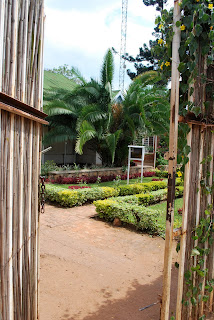
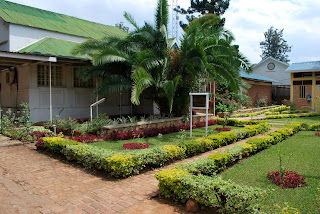
Pictured above is the main entrance and garden beyond the gates of PSF. The garden was created as a memorial to the lives that were lost in the 1994 genocide. The black plaque in the center contains the names of those PSF staff members who were lost in this horrible event.
It is with this history that I come to work on my “project” every day. I have been charged with trying to pilot a training program to teach Rwandan nurses how to provide IUDs and implants (long acting and reversible forms of birth control) to their patients. As one can imagine, after mass murder and civil war, Rwandans are eager to rebuild their families. Unfortunately, with a population growth rate easily surpassing other African countries, an unbelievable population density, and the average Rwandan women having 6 children in her lifetime such fertility is not sustainable. As a result, Dr. Allen feels strongly in helping the government develop infrastructure and policy to try to make birth spacing and family planning the social norm. I am happy to be working with nurses who come for CVCT training to assess their knowledge about these methods and what barriers exist to implementation. As I learn more about the cultural and practical barriers to these methods, I look forward to piloting a training program in two clinics—the Centre de Sante Gitega and the Centre de Sante Muhima.
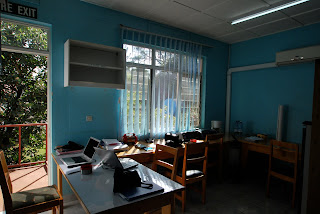
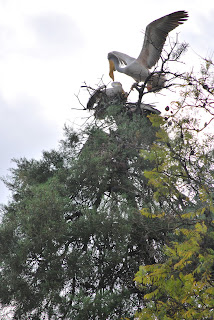
Above is the office that I share with the other ex-pat interns. Below is the view out of our window and the nest of pelicans that live in the top of the tree by the wall.

These are my goals when I come to PSF every day to work on my discovery project. This “discovery project” is a required five-month research endeavor that is a mandatory component of my medical school curriculum. As many of you know, this opportunity for “discovery” was a huge factor that influenced my decision to pursue my medical degree at Emory. Though I am excited about the work I am doing and get even more thrilled as it starts to take shape every day, I realize that my small project is part of something larger.

The work that I am doing on a daily basis may seem frustratingly tedious at times. But a quick glance out my office window to the courtyard of PSF filled with HIV positive women and their many children reminds me that the details I pursue now are a small step towards a larger vision for a bright future here in Rwanda. Though I am proud of the work I am doing and realize it will be a life changing experience in my personal and professional development, I know that it is insignificant in the grand scheme of what happens at PSF on a daily basis. Since starting my work here I have been embraced by the staff at PSF and taught the cursory phrases of Kinyarwanda. In a medical climate characterized by the maxim “publish or perish” it is nice to be around something that has remained. Project San Francisco has endured hardships that are thankfully unimaginable to most of us and has remained a strong presence in the community that is unwaveringly true to its mission. I am proud to be working for and with these remarkable men and women on a daily basis, and I can’t imagine a better place to spend the five months of my discovery project.
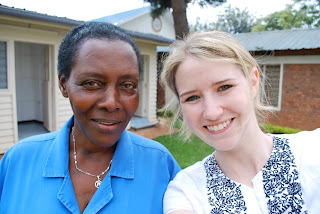
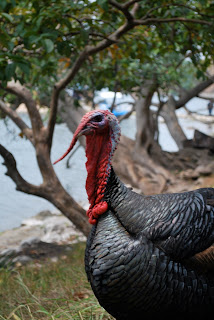
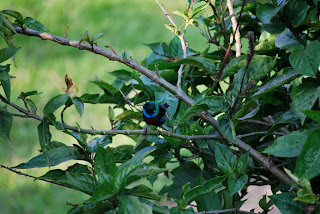
Above is Natalie, one of the general workers at PSF who is also my Kinyarwanda teacher. She doesn't speak French or English, but we communicate rather well. Below is one of the wonderful surprises that accompanies working in Rwanda--the beautiful animals that wander through the garden.